

Salt Water, Chlorine & Shower Water: What They’re Really Doing To Your Scalp
We talk a lot about heat styling.
We blame hormones.
We blame “bad hair days.”
But in Australia, there’s something far more consistent affecting your scalp and most of us don’t think twice about it.
Water.
Not drinking water. The water your scalp is exposed to almost daily:
 Salt water
 Chlorinated pool water
 Hard shower water
Each one interacts with your scalp differently. And because healthy hair begins at the scalp, understanding this matters more than you think.
Salt Water: Clarifying… Until It Isn’t
A swim in the ocean can make your hair feel textured and lifted. That slightly gritty, voluminous feeling?
It’s salt drawing moisture out of the hair shaft.
On the scalp, salt can temporarily absorb excess oil. For some, that feels refreshing. But repeated exposure without proper cleansing can lead to dehydration and barrier disruption.
When the scalp barrier becomes compromised, you may notice:
-
Tightness
-
Increased sensitivity
-
Flaking
-
Dull or brittle hair over time
The key isn’t avoiding the ocean - it’s properly cleansing and restoring balance afterwards.
Chlorine: The Invisible Disruptor
Chlorine is designed to disinfect pools by killing bacteria. Unfortunately, it doesn’t distinguish between harmful microbes and your scalp’s healthy microbiome.
Repeated chlorine exposure can:
-
Strip natural oils
-
Disrupt the scalp barrier
-
Increase dryness and irritation
-
Leave hair feeling coarse or weak
If your scalp feels itchy or reactive after swimming, this may be why.
The solution isn’t less washing. It’s using a cleanser that removes residue while respecting the microbiome and maintaining barrier integrity.
Hard Water: The Quiet Build-Up
Many areas in Australia have hard water, meaning it contains higher levels of minerals like calcium and magnesium.
These minerals don’t just rinse away.
They can bind to the hair and scalp, contributing to:
-
Product build-up
-
Dullness
-
A tight or coated scalp feeling
-
Reduced lather performance
-
Increased dryness over time
When mineral residue accumulates, it can interfere with how effectively your scalp absorbs active ingredients.
Again, the answer isn’t to wash less. It’s to cleanse thoroughly, but gently.
Why This Matters For Hair Growth
Your scalp is living skin. It produces oil. It hosts a microbiome. It regulates inflammation. It supports follicles.
When residue, salt, chlorine or mineral build-up sit on the scalp, it can:
-
Disrupt microbiome balance
-
Increase oxidative stress
-
Trigger irritation
-
Affect the environment follicles depend on
Healthy growth requires a balanced, calm foundation.
That starts with intelligent cleansing.
The Overwashing Myth
There’s a long-standing belief that frequent washing damages the scalp.
In reality, frequency is less important than formulation.
A well-designed shampoo that cleans without aggressively stripping essential lipids can be used regularly, especially in climates like ours where environmental exposure is high.
Build-up is not protective.
A clean, balanced scalp is.
Living in Australia means exposure to salt, sun, chlorine and minerals is part of life. You don’t need to avoid them.
You just need to reset your roots afterwards.
Because what sits on your scalp today quietly shapes how your hair grows tomorrow.
Learn more
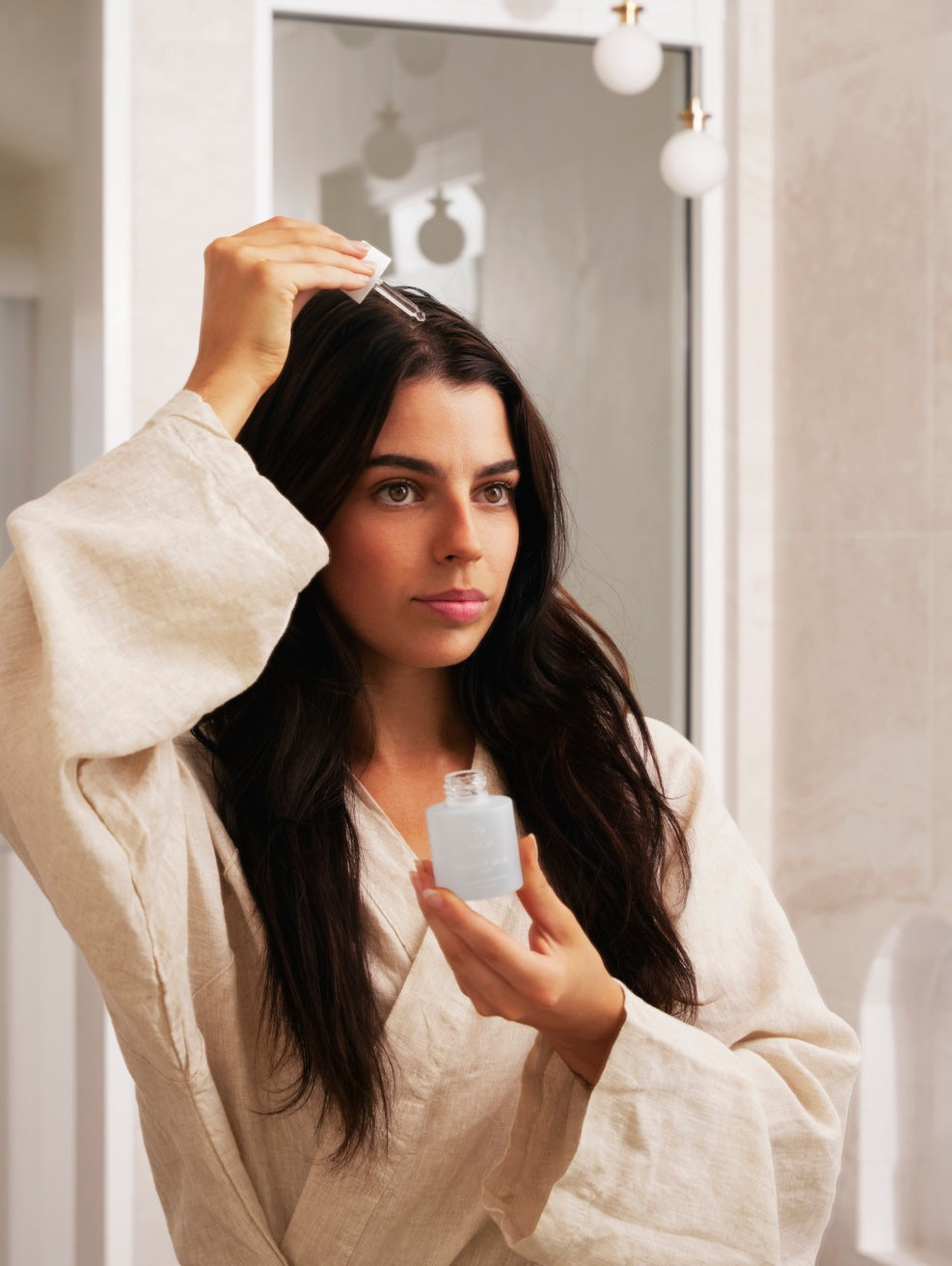
Your scalp has a biological clock - and stress, sleep, and sun exposure can throw it off balance. Learn how Algexome™, our microalgae-derived biotech complex, supports the scalp's natural rhythm fr...

Many haircare habits we take for granted aren't always supported by scalp biology. In this article, Certified Trichologist Adrian De Brock shares the four things he personally avoids - from "hair t...
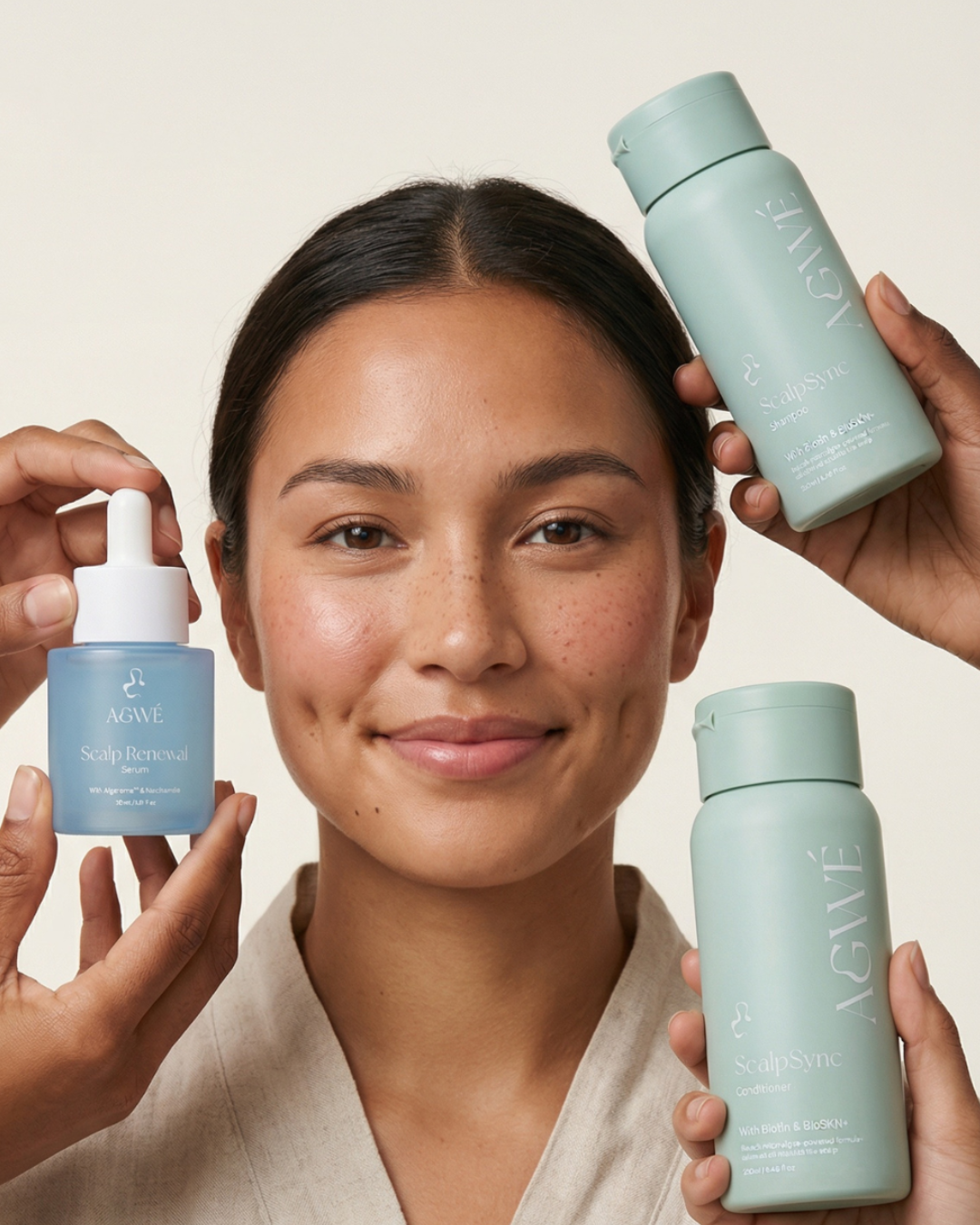
What is hair longevity? Discover why scalp health, prevention and science-led care are reshaping the future of haircare - and why healthier-looking hair begins with your scalp.
Daily stress can disrupt the scalp environment, weakening follicles and accelerating visible hair ageing. AGWÉ works at the scalp level to restore balance and support renewal, so hair can grow healthier hair over time.
Most haircare treats the strands. AGWÉ treats the scalp beneath them.


